
Next-Gen UTM Firewall Architecture & Network Security Engineering
We design, deploy, and continuously audit high-performance UTM firewalls to eliminate network threats before they breach your perimeter. Get absolute data isolation, encrypted remote VPN frameworks, and deep packet inspection without causing network latency bottlenecks across West Bengal.
The Structural Vulnerabilities of Default Network Routing
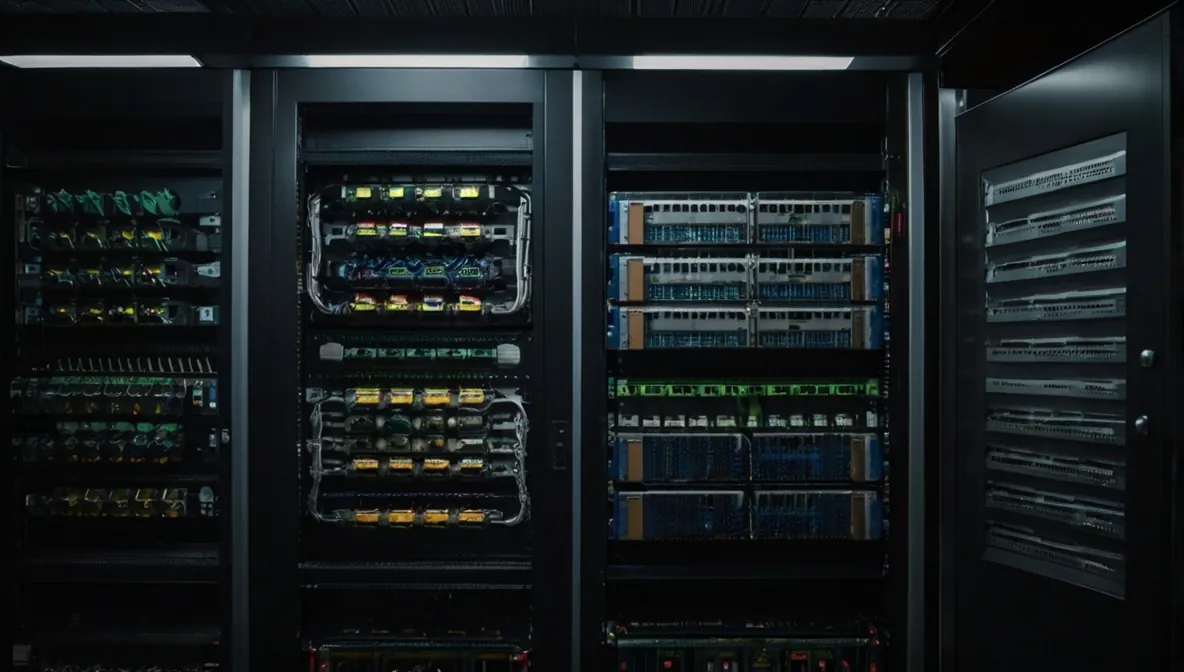 Figure 1: Microtech Solutions manual security zone partitioning and Deep Packet Inspection (DPI) gateway routing blueprint.
Let's be completely straightforward here. Most small-to-medium businesses across Kolkata are still trusting their entire corporate security to a generic broadband router provided by their ISP. That is a massive infrastructure risk. A basic router does nothing but route raw data packets from point A to point B. It does not inspect the contents, it does not analyze inbound traffic behaviors, and it lacks the computational muscle to block targeted cyber exploits. Heck, I see these simple setups get breached constantly in my daily integration work.
When an employee inadvertently clicks a malicious link or opens a spoofed attachment, an unmanaged network allows that payload to execute unchecked. Without a dedicated firewall inspecting traffic, background ransomware bots can scan your open ports, target active corporate storage assets, and drop encryption loops that lock your business files instantly. Relying solely on basic desktop antivirus software is a reactive trap. True perimeter defense requires hardware-level threat containment right at your internet entry boundary before malicious code ever touches a local office workstation.
The True Financial and Operational Value of a Hardware UTM Gateway
When a corporate network chokes or suffers a security breach, the financial fallout accumulates by the minute. If ransomware encrypts your main server, your staff sits completely idle. You continue paying operational overhead, your project deadlines slip, and your client trust evaporates instantly. For medical facilities, corporate offices, or manufacturing units across West Bengal, a sudden network outage directly breaks revenue generation pipelines. Furthermore, if an unprotected network allows malicious actors to sniff internal traffic, sensitive financial ledgers and customer identities can be leaked to the public web.
Deploying a managed Unified Threat Management (UTM) firewall changes your operational area entirely. A dedicated security gateway acts as a hard physical boundary, filtering all incoming and outgoing connections in real-time. It unifies deep packet inspection, web content filtering, application control, and secure virtual private networks (VPNs) into a single, high-uptime device. It ensures that a compromised device on a guest Wi-Fi network cannot browse into your secure accounting folder structures. Investing in hardened network security isn't just about avoiding a crisis-it establishes a resilient foundation that guarantees business continuity and shields your hard-earned revenue.
Real-World Case Study: Replacing End-of-Life Manufacturing Perimeters
I don't believe in unverified tech theories or bloated sales pitches; I base our deployments on hands-on lab staging. Recently, I led a major infrastructure security overhaul for a large industrial production plant. They were running an end-of-life legacy legacy firewall that was no longer receiving modern security patches or threat definitions. The legacy ruleset was heavily outdated, leaving their internal corporate network exposed to zero-day vulnerabilities and background web probes.
I manually pre-staged a high-performance next-gen UTM appliance inside our Kolkata integration lab to mimic their exact network topology. Over a planned cutover window, I stripped out the legacy device and deployed the new firewall without a single minute of corporate system downtime. I configured strict web filter profiles, isolated their main production databases from generic office desks, and turned on sandboxed deep packet inspection. The moment the connection went live, their perimeter threat visibility cleared up instantly, internet latency dropped, and their entire network environment achieved maximum resilience.
| Security Layer | The Unmanaged Risk | Our Hardened UTM Framework Standard | Measurable Business Benefit |
|---|---|---|---|
| Perimeter Control | Open ports exposed to automated background network scanners. | Strict stateful inspection policies blocking unmapped traffic drops. | Blocks 99.9% of random external cyber probes. |
| Encrypted Remote Access | Open RDP connections vulnerable to simple brute-force entries. | SSL VPN tunnels protected by mandatory Multi-Factor Authentication (MFA). | Allows safe, encrypted remote work pan-India. |
| Internal Network Flow | Flat local area networks allowing unrestricted lateral malware movement. | Segmented VLAN subnets separating corporate data from guest nodes. | Contains local infections to a single terminal instantly. |
| Web Traffic Auditing | Employees browsing high-risk sites containing hidden code strings. | Dynamic proxy level web filtering and real-time category controls. | Eliminates internal web-borne infection entry vectors. |
Common Mistakes We Encounter: The Danger of Misconfigured Rules
Buying an expensive firewall appliance means absolutely nothing if the underlying policy matrix is left wide open. Honestly, anyone can make a quick syntax mistake when rushing to fix a workflow bottleneck. I once audited a large commercial workspace office near Salt Lake Sector 5 that had a premium firewall sitting in their server rack, but their staff was still catching frequent malware infections. The system felt completely fine to the touch, but a deep look at the configuration dashboard revealed a massive blunder.
To make an older internal application function over a weekend, a previous technician had added a temporary "Default Allow Any" rule at the top of the processing tree. It completely bypassed all active threat signatures, leaving their internal database exposed to public web probes for months. It took me under 10 minutes to separate the port loop and rebuild their security policies cleanly. Another frequent mistake is buying consumer-grade mesh routers and expecting them to handle multi-user business traffic loads without overheating, locking up, or dropping active connections during peak business hours.
Field-Tested Deployment Steps for Hardening Your Network Boundary
If you want a stable, high-uptime perimeter defense matrix across your business workspace, make sure your network team executes these critical steps:
- set up a strict "Deny by Default" entry policy: Block all inbound and outbound network communication pathways entirely, then manually open only the specific ports required for business applications.
- Turn on TLS/SSL Decryption loops safely: Over 85% of modern malware payloads hide inside encrypted HTTPS web traffic. Your firewall must run deep decryption checks to catch hidden code strings.
- Enforce isolated subnets for physical assets: Use managed switches to split your office desks into independent VLAN pools. Your visitor Wi-Fi network should never have a physical path to your accounting server.
- keep active security subscriptions continuously: A firewall with dead definitions is just an expensive extension cord. Always renew your threat signatures to protect against emerging zero-day exploits.
- Link edge security with off-site business continuity: Even with a hardened gateway, you must keep a backup plan. Make sure your security framework works hand-in-hand with an immutable Enterprise Cloud Backup vault.
Frequently Asked Questions Regarding Network Security Architecture
Will installing a next-gen UTM firewall bottleneck our office internet speed?
It can if you use underpowered hardware with all security features turned on blindly. We prevent internet performance bottlenecks by manually analyzing your active user count and internet bandwidth lines beforehand. We select high-throughput appliances (like Sophos XGS profiles) that possess dedicated hardware processors to handle deep packet filtering without adding latency to your daily operations.
What is the difference between a standard router firewall and a UTM gateway?
A standard router firewall only looks at the header information of a data packet (IP addresses and port numbers). It is completely blind to what is inside the data payload. A UTM gateway runs Deep Packet Inspection (DPI), unpacking the entire transmission stream to strip out hidden malware, block unauthorized cloud applications, and filter dangerous web links in real-time.
Can we monitor what web categories our employees browse during business hours?
Yes, absolutely. Our managed UTM firewall solutions provide complete web content control. We can block dangerous categories like malware domains, gambling networks, or unverified file-sharing sites completely. You can also enforce specific bandwidth quotas on generic video streaming platforms to make sure your main line remains clear for business tools.
How do remote employees connect securely to our local on-premise application servers?
We deploy secure, encrypted client-to-site SSL VPN tunnels directly on the firewall. When your off-site team members work PAN-India or from home, they run a lightweight client application protected by Multi-Factor Authentication (MFA). This establishes a secure, private pipeline into authorized office folders while keeping your main core database completely hidden from public web searches.
How often should our internal firewall rules and security policies be audited?
We recommend a comprehensive network perimeter audit at least once every six months, or whenever you change your core network infrastructure (like adding a new server or changing software providers). Routine security reviews make sure old, unused access rules are safely closed out and new software paths comply with your corporate data safety guidelines.
Our Hardened Systems Security Integration Stack
- Next-Gen Gateway Deployments: Complete configuration, mounting, and policy layout optimization for high-uptime Sophos and SonicWALL hardware appliances.
- SSL VPN & MFA Implementation: Engineering secure, encrypted remote access frameworks with multi-factor authentication to stop credential-stuffing breaches.
- VLAN Network Partitioning: Splitting flat office local area networks into isolated, manageable data subnets to contain lateral security threats completely.
- Deep Packet Inspection Configs: Turning on real-time stream scanning and SSL bridging loops to intercept zero-day malware hiding inside encrypted web paths.
- Managed Bandwidth Shaping: Setting up strict Quality of Service (QoS) constraints to protect your critical business traffic during heavy web downloads, aligning with our SME IT Optimization blueprints.